Condition monitoring beside the plant historian.
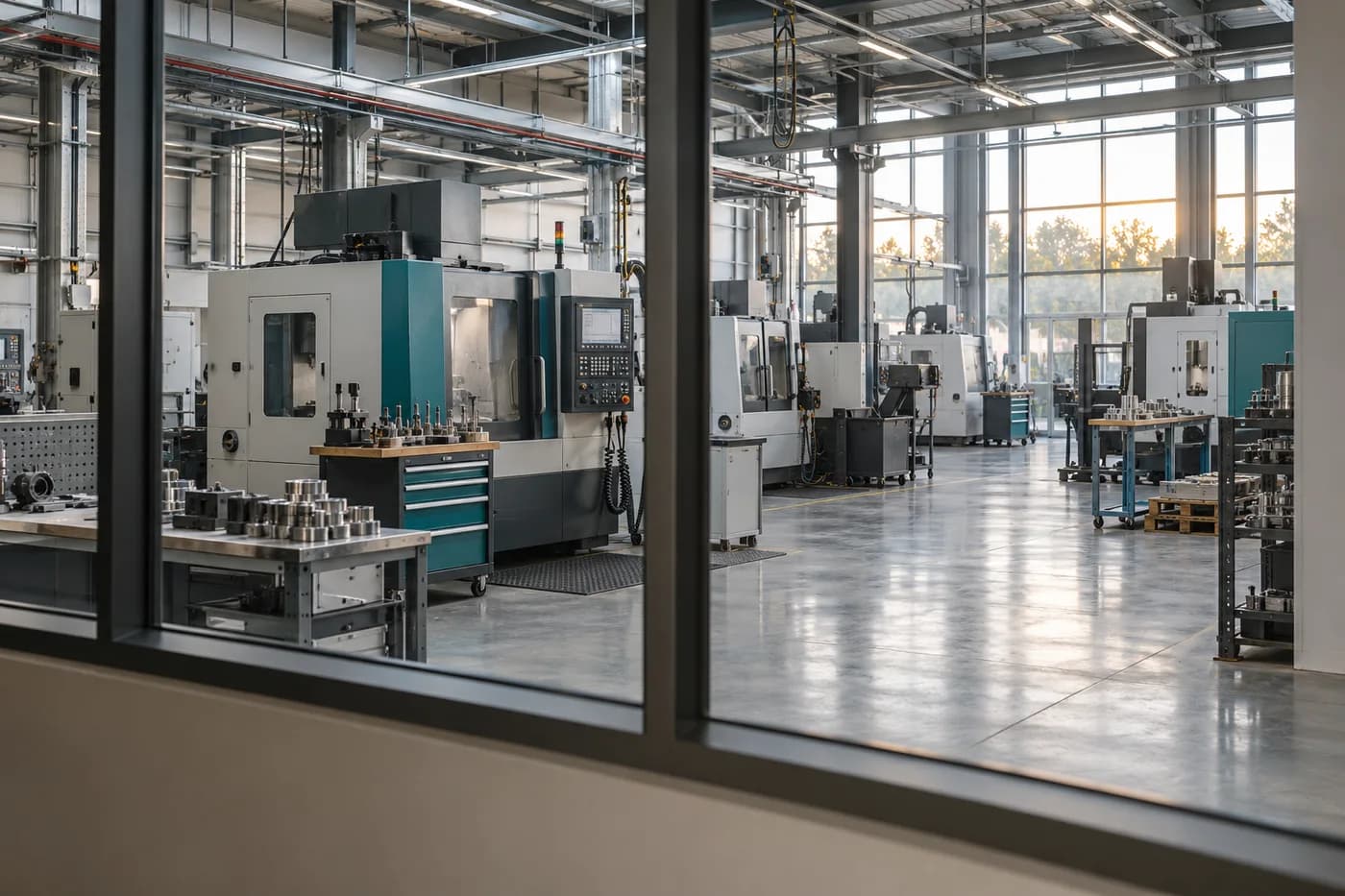
Run anomaly models beside the historian and sensor stores. The agent initiates its connections, with egress destinations controlled by the plant's firewall rules.
The loop runs at the plant's data layer.
Models read the local historian. Supervisors inspect the resulting scores and maintenance queue inside the plant environment.
Capture
Sensors write to the historian: vibration, temperature, throughput.
data stays at the plant's data layer
Score
Anomaly models run beside the historian and attach a reason to every flag.
Analytics scores in place
Queue
Anomaly scores order the maintenance queue, with the reason attached to each flag.
Intervene
The maintenance team records the intervention and its trigger in the local workflow.
Review
Shift review reads scores against outcomes, and thresholds adjust for the next cycle.
scores are reviewed against observed outcomes
agent egress stays under your firewall rules · restricted and air-gapped patterns are a design target
What a shift supervisor wants scored.
Scores computed beside the sensor stores, with the reason attached to each flag.
Analytics · anomaly scoring
A ranked queue across lines, ordered by score, explained per item.
Analytics · attention queue
Compare current historian readings with planned throughput for the shift.
Analytics · live views
Where the agent sits.
KEZEL · DEPLOYMENT · MANUFACTURING
- agent
- beside the plant historian
- components
- Orchestration + Analytics
- network
- no inbound ports · egress under your firewall rules
- patterns
- restricted and air-gapped · design target
Restricted and air-gapped patterns are a design target. Shipped today: outbound-only connections over TLS 1.3, initiated by the agent.
Show us the data you are not allowed to move.
Tell us which systems you use and what you need to do. We’ll walk through a demo, then plan a pilot with your security team.